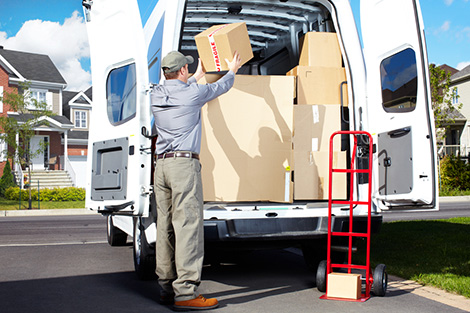
Wandle Park moves expert removals for tight access properties
Moving out of a property with a narrow stairwell, a shared entrance, a tiny turning circle or no proper parking is rarely straightforward. In Wandle Park, that can mean older conversions, compact maisonettes, flats above shops, and homes tucked behind tight roads where a standard move feels like a puzzle before the first box is even lifted. This guide to Wandle Park moves expert removals for tight access properties explains what makes these moves different, how skilled removal teams handle them, and what you can do to keep the day calm rather than chaotic.
If you are staring at a sofa that will not quite clear the landing, or a wardrobe that seems to have been built before anyone considered angles, you are in the right place. We will cover access planning, packing, loading, vehicle choice, safety, and the small decisions that make a big difference on move day. A little preparation goes a very long way. Honestly, it saves a lot of carrying up and down stairs too.
Why Wandle Park moves expert removals for tight access properties Matters
Tight access changes everything. A move that looks simple on paper can quickly become slow, awkward, and risky if the property has low ceilings, narrow halls, steep stairs, limited kerb space, or awkward shared entrances. In areas like Wandle Park, where housing layouts can vary a lot from street to street, one visit to the property can tell a very different story from what the floor plan suggests.
Expert removals matter because access issues affect more than lifting. They influence vehicle size, parking strategy, carrying distance, how many crew members are needed, and whether large items should be dismantled before moving day. Get this wrong and you can end up with delays, damaged furniture, frustrated neighbours, and a long afternoon that feels much longer than it should.
To be fair, most people only realise how much access matters once the first item gets stuck halfway down a staircase. That is exactly why a specialist approach is useful. It is not just about muscle. It is about planning, judgement, and knowing when the safer route is the smarter route.
For families, landlords, renters, and small businesses, the real value is peace of mind. You are not just booking a van. You are booking a method that suits the property.
How Wandle Park moves expert removals for tight access properties Works
At its best, a tight access move begins before the van arrives. A good team will ask the right questions early: How wide is the stairwell? Is there lift access? Can a vehicle stop close to the entrance? Are there heavy items, delicate furniture, or anything that needs dismantling? These details sound small, but they shape the whole day.
In practice, the process usually follows a few clear stages:
- Access review - Checking entry points, stairs, corridors, parking, and any restrictions.
- Move planning - Deciding the right team size, vehicle type, and carrying method.
- Packing and protection - Wrapping furniture, protecting floors, and preparing fragile pieces.
- Safe loading - Moving items in a logical order so the biggest obstacles are handled early.
- Transport and unloading - Keeping the load stable and reducing handling at both ends.
That may sound neat and tidy, and in many cases it is. But real properties are not always neat. A hallway might narrow right where a mattress needs to turn. A parking spot might be free in the morning and gone by lunchtime. Access can change the whole rhythm of the day, so experienced removers stay flexible and practical.
Some jobs also benefit from a smaller vehicle or a more agile service such as man and van support or a larger moving truck depending on volume, parking, and the type of furniture involved. There is no one-size-fits-all answer, which is exactly the point.
Key Benefits and Practical Advantages
The biggest benefit of a specialist tight access move is control. Everything becomes a bit more predictable, and on moving day predictability is worth its weight in bubble wrap. You reduce the chances of bumping walls, blocking corridors, or discovering that a chest of drawers can only turn if it is angled just so.
- Less risk of damage - Careful handling reduces scuffs, chips, and crushed corners.
- Better use of time - Planning avoids repeated lifts and awkward re-positioning.
- Safer lifting - Items are moved with technique, not guesswork.
- Lower stress - The day feels organised rather than improvised.
- More suitable vehicle choice - Sometimes a smaller vehicle is actually the better fit.
- Fewer access surprises - Challenges are identified before anyone starts carrying.
For flats and converted homes, one of the less obvious advantages is neighbour management. Fewer blocked entrances, less noise, and a shorter parking footprint can make the move much easier for everyone in the building. That matters more than people think.
There is also a practical budgeting angle. A well-planned move can avoid unnecessary extra handling, wasted trips, and the kind of delay that quietly makes a job more expensive. If you want to understand typical service options before booking, it can help to compare home moving support with other services, then decide what suits the property rather than just the postcode.
Who This Is For and When It Makes Sense
Tight access removals are not just for people in top-floor flats. They suit anyone whose property layout makes standard moving difficult. That includes homes with narrow external paths, internal stairs with tight turns, basement rooms, maisonettes with shared entrances, and properties with limited or restricted parking.
This approach is especially sensible if you are moving:
- a sofa, wardrobe, bed base, or dining table that may need dismantling
- fragile items that need more careful handling than a general man and van arrangement
- an entire household from a compact property with limited storage space
- items from a commercial space with awkward access, such as upstairs offices or shared buildings
It also makes sense if you are working to a deadline. End of tenancy moves, completion-day relocations, and business moves can all become much harder when access is tight. You do not want to discover on the day that your sofa and your staircase are not on speaking terms.
For some customers, a specialist move pairs well with packing and unpacking services. That combination can be a relief if you are short on time or simply do not want boxes stacked everywhere while you are trying to dodge doorframes.
Step-by-Step Guidance
If you want a tight access move to go smoothly, the best thing you can do is treat it like a sequence, not a single event. Here is a sensible way to approach it.
- List the awkward items first. Note anything oversized, heavy, fragile, or awkwardly shaped.
- Measure access points. Check door widths, stair turns, lift dimensions, and ceiling clearance.
- Take photos. A few quick phone pictures of the entrance, hall, and biggest items can save a lot of guesswork.
- Ask about parking. Decide where the vehicle can safely stop and whether any permits or loading restrictions apply.
- Separate what can be dismantled. Beds, tables, and some wardrobes are easier to move in pieces.
- Pack with the route in mind. Keep the first items needed at the new property easy to reach.
- Protect the building. Floor coverings, door guards, and furniture blankets help keep things tidy.
- Confirm timing. Tight access moves often run better with a realistic schedule, not a rushed one.
A small but useful tip: make a note of what needs to go out first and what can wait. If the largest item is left until the end, everyone is tired, the route feels narrower, and the whole thing gets clumsier. It is a simple thing, but it works.
If you need to move away items that are no longer worth taking, furniture pick-up support can help keep the load lighter. That can make a huge difference in a tight stairwell. Fewer items, fewer trips, less drama. Everyone wins.
Expert Tips for Better Results
Here is where the small details start paying off. A tight access move is rarely won by brute force. It is won by preparation, patience, and the sort of practical thinking that saves your back and your paintwork.
- Use soft packing where needed. Blankets, covers, and wrapping help around corners and through narrow gaps.
- Keep screws and fittings together. Label dismantled parts clearly so reassembly is not guesswork later.
- Clear the route before the crew arrives. Shoes, plant pots, bins, and loose bags all slow things down.
- Do not overfill boxes. Heavy boxes are harder to carry on stairs and more likely to split.
- Tell the removers about weak points. Loose banisters, fragile tiles, or low hanging lights should be flagged early.
- Have a Plan B for parking. A backup spot, even if it is a bit further away, can save the day.
One useful habit is to walk the route yourself the day before, box in hand if you can. Not because you need to do the lifting, but because you will notice the pinch points immediately. The funny little turn at the bottom of the stairs. The door that swings the wrong way. The pipe that makes a radiator corner feel two inches narrower than it should be. It all matters.
Expert summary: For tight access properties, the best move is the one that reduces handling, respects the building, and matches the vehicle to the space. If it feels like a small planning job at the start, that is a good sign.
Common Mistakes to Avoid
Most access problems are avoidable. Not all of them, of course. Some buildings are just awkward, full stop. But a surprising number of headaches come from rushed planning or vague assumptions.
- Assuming standard access - A property that looks manageable from the street may hide narrow internal routes.
- Not measuring large furniture - Sofas and wardrobes are the usual culprits.
- Ignoring parking realities - If the van cannot stop close enough, the carrying distance becomes a problem.
- Leaving packing to the last minute - That tends to create clutter in the very spaces you need to move through.
- Choosing the wrong vehicle size - Bigger is not always better, especially where access is tight.
- Forgetting disposal needs - Old items left at the door can create confusion on moving day.
Another common mistake is underestimating how tiring repeated stair carries can be. Even a relatively short flight becomes demanding when you are carrying a mattress, a washing machine, or a heavy box that still feels heavier than it should. Truth be told, nobody wants the fourth trip to be the one where judgement starts slipping.
If you are dealing with bulky household items, it is worth thinking about specialist disposal options in advance, such as mattress and sofa disposal or fridge and appliance removal. Clearing these pieces before moving day can make the entire job more manageable.
Tools, Resources and Recommendations
You do not need a van full of fancy gadgets to complete a tight access move, but the right equipment matters. A well-prepared team will usually rely on practical tools rather than brute strength.
- furniture blankets and protective wraps
- trolleys or sack trucks for suitable items
- straps for securing loads safely
- door and floor protection
- basic dismantling tools
- clear labels, tape, and marker pens
For larger or more mixed moves, it can help to compare services. For example, a straightforward flat move may suit a smaller team, while a more complex job with heavier furniture, disposal needs, or multi-room access may benefit from a broader service package. In some cases, looking at house removalists or removal truck hire may be more appropriate than a basic lift-and-go arrangement.
If you are worried about whether unwanted items can be removed responsibly, it is also sensible to review recycling and sustainability information before the move. It gives you a clearer idea of what can be reused, recycled, or separated out.
And if the job involves documents from a home office or small business, confidential shredding can be a helpful add-on. Not glamorous, I know, but very useful when paperwork has piled up in a box under the desk for far too long.
Law, Compliance, Standards and Best Practice
With removals, compliance is usually less about dramatic legal issues and more about doing things properly, safely, and responsibly. That includes safe lifting, protecting property, handling waste correctly, and being clear about what is included in the service.
In the UK, good practice usually means following sensible manual handling methods, using appropriate protection for furniture and buildings, and making sure any disposal work is handled in line with accepted waste and recycling expectations. If items are hazardous or require special handling, they should be identified before they are moved. That is just common sense, really, but it is also good operational practice.
For customers, the main thing is to ask whether the moving team is insured, how they approach health and safety, and what happens if access is more difficult than expected. A reputable provider should be able to explain this clearly. You should never feel awkward asking.
It is also worth checking the terms of service before booking, especially if there are stairs, long carries, restricted parking, or items that need extra care. A transparent provider will make those points plain rather than hiding them in the small print. For a broader view of how a company handles operational standards, you can review its health and safety policy, insurance and safety information, and terms and conditions.
That is the sort of boring detail that turns out to be quite important. Not flashy. Just solid.
Options, Methods and Comparison Table
Choosing the right way to move depends on the property, the size of the load, and how much help you want. Here is a practical comparison.
| Option | Best for | Strengths | Limitations |
|---|---|---|---|
| Man and van | Smaller moves, a few rooms, lighter loads | Flexible, often ideal for tight streets and quick jobs | May be limited for larger furniture or full-house moves |
| Specialist tight access removals | Narrow stairs, awkward entrances, fragile items | Better planning, safer handling, more suitable for tricky properties | Requires more preparation and clear information from the customer |
| House removals team | Full household moves with more inventory | More hands, better for volume, more structured process | May be unnecessary for a small flat or simple local move |
| Truck hire with support | Moves with a lot of bulky items or transport needs | Good for capacity and longer routes | Less agile where access is especially tight |
In real life, the right choice often comes down to one question: what will be easiest to carry safely through the property without forcing anything? If the answer is "not the biggest vehicle possible," that is perfectly fine.
For offices, the logic is similar. A compact workspace with stairs, shared corridors, or a back entrance may need a tailored approach rather than a standard commercial move. If that is your situation, commercial moves and office relocation services are useful starting points.
Case Study or Real-World Example
Here is a realistic example. A client in a Wandle Park flat needed to move from a first-floor conversion with a tight staircase, a narrow front door, and parking only available a short distance away. The biggest concern was a sofa-bed that had once been carried in by "two strong friends" and a lot of optimism. You can guess how that went.
The move worked best once the team identified the awkward items early. The sofa-bed was dismantled, the route was cleared, and the heaviest boxes were packed into smaller loads. Instead of trying to force everything through the same route at once, the team used a steady order: flat-pack items first, soft furnishings next, and the bulkiest pieces only after the access route had been protected and checked again.
The result was not magical. Just organised. And organised is what you want. There was less strain, fewer pauses, and no need to wrestle furniture around the landing like a badly staged school play.
That kind of move shows why specialist planning matters. The property did not become less awkward. The process simply became more suitable for the property.
Practical Checklist
Use this checklist before your move day. It will save you stress later.
- Measure doorways, halls, stairs, and any lift space
- Take photos of the entrance and tightest points
- List all large, heavy, or fragile items
- Confirm parking and access arrangements
- Decide what needs dismantling
- Pack a separate essentials box for the first day
- Label boxes by room and priority
- Protect floors, doors, and corners where needed
- Set aside items for disposal or donation
- Check the service terms before the day arrives
- Keep keys, phone chargers, and documents easy to reach
If you are moving out of a cluttered space, a little ruthless sorting helps. The spare lamp no one has liked for years can probably stay behind. Frankly, it may be doing everybody a favour.
Conclusion
Wandle Park moves expert removals for tight access properties are about more than moving boxes from one place to another. They are about reading the property properly, matching the plan to the space, and keeping the move safe, calm, and efficient even when access is not especially generous.
If your home or office has narrow stairs, limited parking, tricky corners, or awkward furniture, you do not need to force a standard move to fit the job. A tailored approach will usually save time, reduce stress, and protect both the building and your belongings. That is the real win.
Get a free quote today and see how much you can save.
And if you want a team that understands careful planning, practical loading, and the realities of moving in tighter spaces, take the next step when you are ready. A smoother move is absolutely possible, even in a property that looks a bit impossible at first glance.
Frequently Asked Questions
What makes a property a tight access move?
A tight access move usually means the property has narrow stairs, small doorways, limited parking, awkward turns, shared entrances, or other features that make moving furniture harder than usual.
Do I need a specialist removal service for a flat with stairs?
Not always, but if the stairs are narrow, steep, or turn sharply, a specialist approach is often safer and less stressful. It is especially useful for large furniture and fragile items.
Should I measure my furniture before booking?
Yes. Measuring the largest pieces, especially sofas, beds, wardrobes, and appliances, helps avoid surprises on the day. Even a quick measurement can save a lot of hassle.
What if parking near my property is limited?
Tell the removers in advance. Limited parking affects carrying distance and timing, so it should be built into the plan. A backup parking option is helpful too.
Can items be dismantled before the move?
Usually yes, and for tight access properties it is often a good idea. Dismantling beds, tables, and some wardrobes can make the move safer and quicker.
Is a man and van suitable for tight access properties?
Often it is, especially for smaller loads or compact homes. For bigger furniture or more complex access, a more specialised removals setup may be better.
How far in advance should I book?
As early as you can, especially if your move date is fixed. Tight access jobs benefit from planning, and early booking gives time to sort measurements, parking, and packing.
What should I do with furniture I do not want to take?
Set it aside early and decide whether it needs collection, disposal, or donation. If you have bulky items like sofas or mattresses, arranging removal separately can make the move much easier.
Will the removal team protect my walls and floors?
A careful team should take reasonable steps to protect the property, especially where access is tight. It is sensible to ask what protection is used for floors, doors, and corners.
What if my move involves office equipment as well as household items?
That can still be managed, but it helps to separate the office items from the rest and flag anything sensitive or confidential. Commercial moves and office relocation support are useful in that situation.
How do I know which service is right for me?
Think about the size of the load, the layout of the property, and the level of access difficulty. If in doubt, describe the stairs, parking, and largest items clearly and ask for guidance based on the real layout, not just the address.
What is the biggest mistake people make with tight access removals?
Assuming the move will be straightforward because the property looks manageable from outside. In reality, the awkward bit is often inside the building, and that is where planning matters most.
For more about the company behind this guidance, you can also review about us, check pricing and quotes, or use book online when you are ready to get started.